
Our Practices
How we Farm
We strive to steward this land in a way that reflects our deep reverence for nature and her natural cycles. For us, farming is not just a business; it is an ongoing relationship with the ecosystem we call home.
-
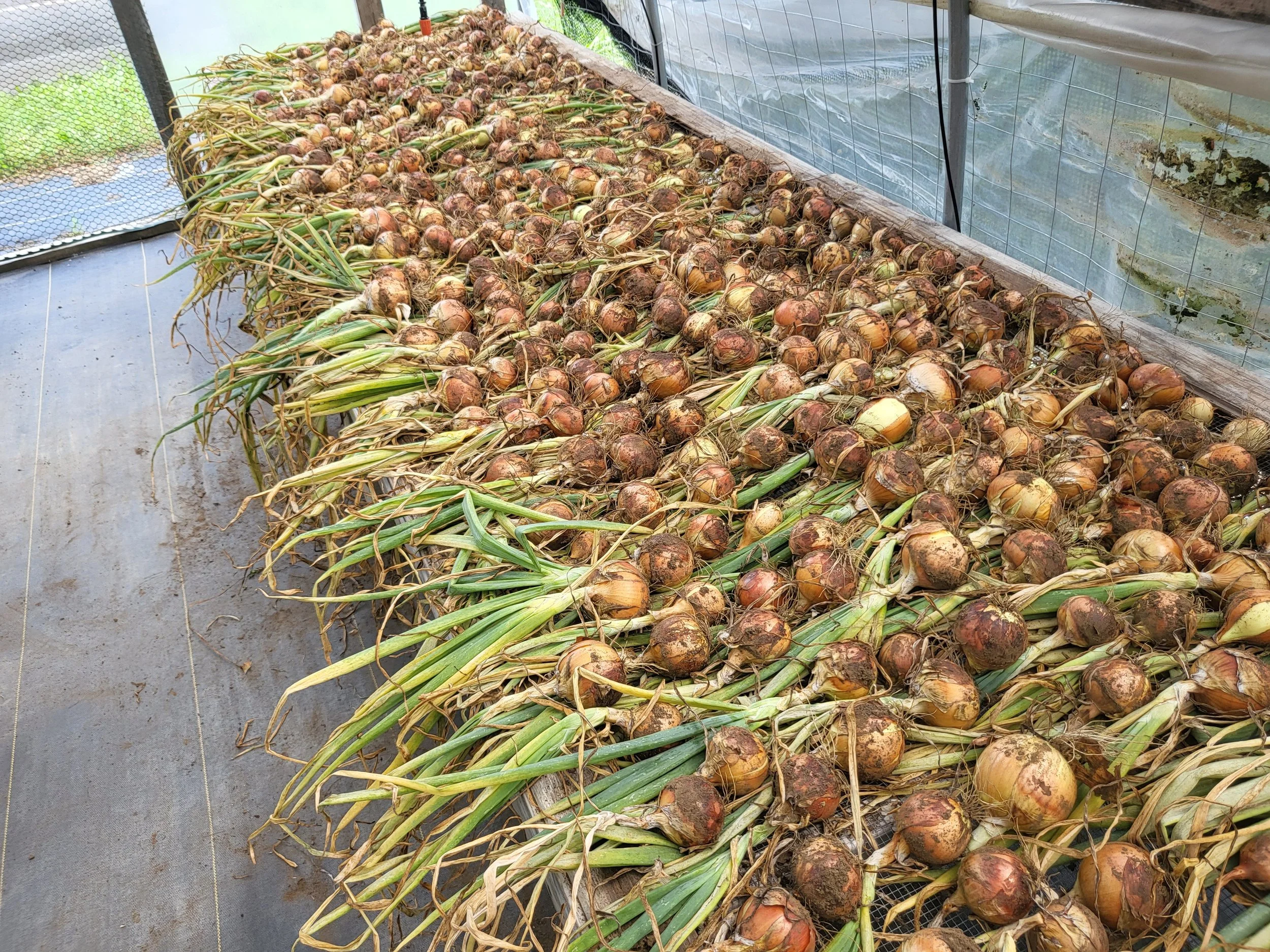
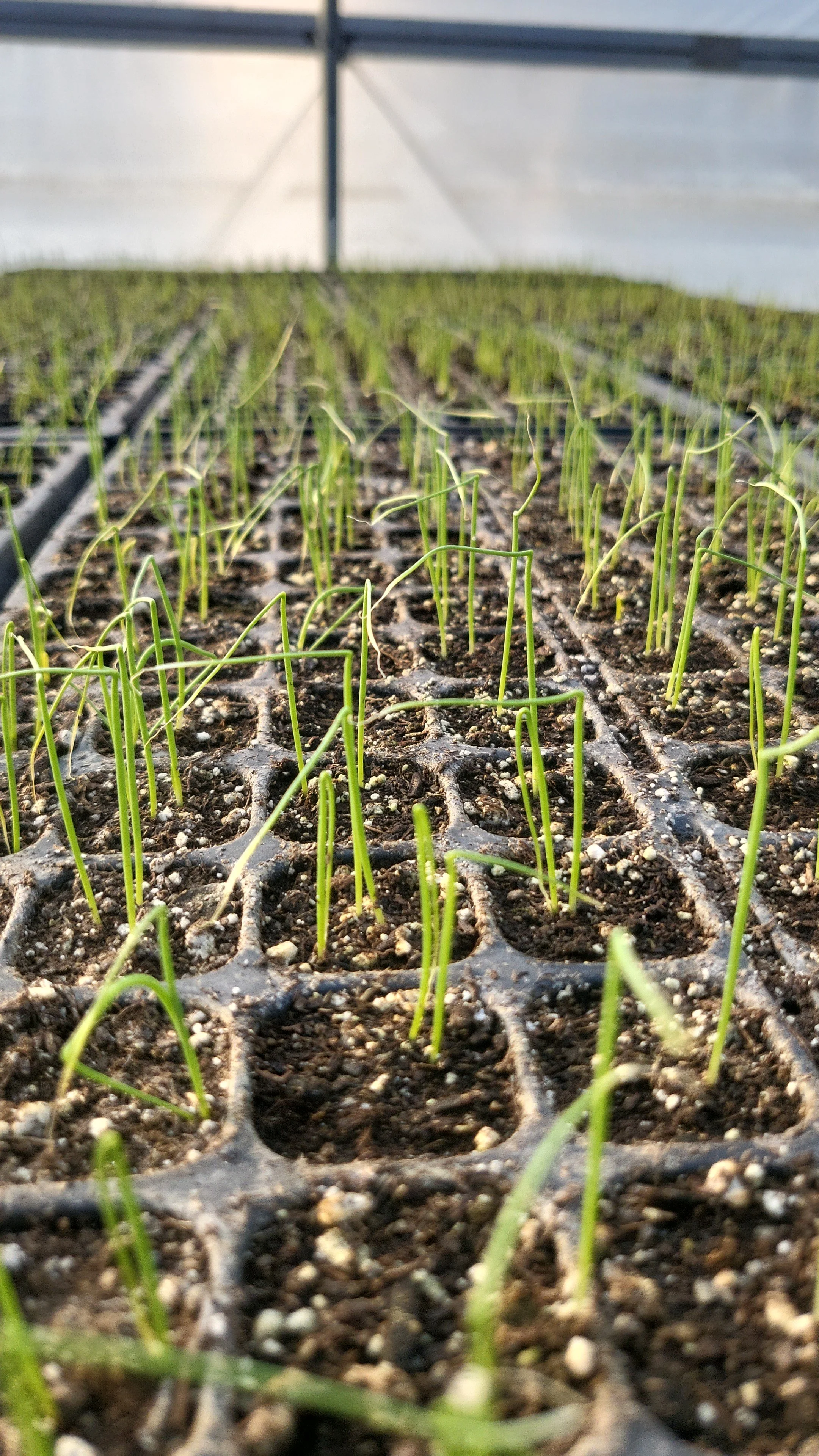
Transitioning land from conventional production to "Certified Organic" is a rigorous three-year journey of healing. During this time, the land goes through a distinct transition phase—akin to a detox—as the soil ecosystem shifts from a chemically reliant system back to a biologically vibrant, living one. We are currently in the first year of this transition in our one-acre market garden, and we are partnering with the Midwest Transition to Organic Partnership Program (TOPP) to guide our efforts.
We use zero synthetic fertilizers, chemical pesticides, or genetically modified organisms (GMOs). Instead we rely on nature's own toolkit: mechanical weed management, thoughtful crop rotations, organic soil inputs, and biological inoculants, all to help curate the underground ecosystem and beneficial organism habitats that help nature handle pest control and soil fertility naturally.
-
The Noble Research Institute defines regenerative agriculture as “the process of restoring degraded soils using practices based on ecological principles.” To farm regeneratively is to acknowledge that our modern landscapes often inherit a health deficit—one that must be actively healed and regenerated.
How is this different from “Organic”?
Organic is a strict, prescriptive standard regulated by the federal government. It tells a farmer what they can and cannot use on the field to qualify for certification.
Regenerative is about principles and outcomes, not just rules. It is an adaptive management approach focused on a singular goal: measurable soil health. Regenerative is a methodology that is by definition non-dogmatic because every farm ecosystem is unique; there is no single recipe for healing.
As we restore this land, we measure our success not just by the harvest but by the health of the soil itself. We track our progress through annual testing, focusing closely on the steady increase of soil organic matter and soil biology over time.
-
As we introduce livestock into our farm ecosystem, their quality of life sits at the very top of our priority list.
This June, we are thrilled to welcome our first flock of registered Katahdin sheep. These animals will spend the growing season grazing on lush perennial pastures and their winters on stockpiled forage and high-quality hay. This flock comes from a spectacular lineage enrolled in the National Sheep Improvement Program (NSIP) for over 15 years, carefully bred by the dedicated folks at Double Ewe Farm in Arena, Wisconsin. We are deeply honored to carry their legacy forward.
As our livestock programs grow, our systems will be guided by the rigorous, gold-standard criteria of Animal Welfare Approved standards of care (by A Greener World) and will be seeking certification in future years.